From one feature to lasting authority
Last updated

You've finally secured that media feature you've been hoping for. Your business is in the publication you've always wanted to appear in, your name is in print, and you're understandably delighted.
But what happens next?
For many founders, securing media coverage feels like the finish line. They share the article on LinkedIn, add it to their website, celebrate the achievement and move on.
And that's a missed opportunity.
Because one piece of media coverage can be the beginning of something much bigger: a reputation that builds credibility, attracts opportunities and positions you as a recognised authority in your industry.
The difference lies in what you do next.
Why one media feature is just the beginning
At Adia PR, we've helped entrepreneurs and business leaders secure media coverage that raises their profiles and opens doors.
But I've always believed that PR should be about more than getting your name in the press.
It's about building a reputation that makes people want to work with you, buy from you, invest in you or invite you into the conversation.
One feature can introduce you to a new audience. Consistent, relevant media coverage helps that audience become familiar with you, understand your expertise and recognise why you're worth listening to.
Think about the business leaders you regularly see quoted in the media. They're not necessarily the most knowledgeable people in their industry, but they've made themselves visible, accessible and relevant.
And importantly, they've given journalists good reasons to keep coming back to them.
The goal isn't simply to get featured. It's to become someone journalists actively seek out.
From media coverage to recognised authority
There's an important difference between being visible and being recognised as an authority.
Visibility means people have seen your name.
Authority means they associate that name with expertise, credibility and a particular area of knowledge.
The most effective PR strategies build both.
For example, let's say you've secured coverage announcing a successful funding round for your business.
That's fantastic news, but the story doesn't have to end there.
You could also share:
- Your founder story: Why you started the business, the challenges you've overcome and what you've learned along the way.
- Your industry expertise: What changes you're seeing in your sector and what they mean for businesses and customers.
- Your perspective: The widely accepted industry opinions you disagree with, and why.
- Your leadership experience: What you've learned about scaling, recruiting, innovation or building a business.
- Your future vision: Where you believe your industry is heading and how your business is helping shape it.
Suddenly, you're no longer just the founder who raised investment.
You're someone with knowledge, experience and a perspective that journalists, event organisers, podcast hosts and potential customers may find valuable.
That's how a single announcement can become the starting point for an ongoing PR strategy.
Where thought leadership meets personal branding
Thought leadership and personal branding are often used interchangeably, but they're not quite the same thing.
Thought leadership is about the value of your ideas.
It's sharing your expertise, challenging conventional thinking, offering informed opinions and helping others understand what's happening in your industry.
Good thought leadership isn't about having an opinion on everything. It's about knowing where you have something genuinely useful to contribute.
Personal branding is about the reputation people associate with you.
It's what you become known for, the expertise people connect with your name, the values you demonstrate and the impression you leave behind.
Your personal brand exists whether you're actively managing it or not. The question is whether it reflects what you want to be known for.
When thought leadership and personal branding work together, something powerful happens.
People don't just recognise your name. They understand what you stand for, trust your expertise and know why they should come to you.
And that's when opportunities start finding you.
Six ways to make your media coverage work harder
Once you've secured a feature, don't let it disappear into your website's press section.
Here are six ways to build on that success.
1. Share the coverage with purpose
Don't just post a link with the words "Delighted to be featured".
Explain why the story matters. Share your perspective, highlight a key message or add something that wasn't included in the published article.
Give your audience a reason to engage with the story rather than simply congratulate you.
2. Repurpose your expertise
A single interview might contain enough ideas for several LinkedIn posts, a blog article, a newsletter or a presentation.
Think about the questions the journalist asked, the points you wanted to make and the conversations the article could spark.
You're not simply repeating the same content. You're developing the ideas behind it for different audiences.
3. Build relationships with journalists
One of the most valuable things you can do after securing coverage is maintain the relationship.
Thank the journalist, share the published piece and make it clear that you're happy to help with future stories.
Don't bombard them with irrelevant pitches. Instead, become a useful, reliable source who understands what makes a good story.
At Adia PR, relationships are at the heart of everything we do. We've built our business on them because strong relationships lead to better opportunities over time.
4. Develop your thought leadership
Identify three or four subjects where you have genuine expertise and a distinctive point of view.
These become the foundations of your thought leadership strategy.
You can develop expert commentary, opinion articles, podcast topics and speaking proposals around them.
The aim is to build recognition for a particular area of expertise, rather than commenting on everything in the news.
5. Turn coverage into new opportunities
Media coverage is a valuable credibility marker.
Include relevant features in your speaker biography, business credentials, investor materials and award entries.
Use them to demonstrate your expertise when approaching event organisers, podcast hosts and potential partners.
A strong media profile can help you stand out when people are deciding whom to invite, interview or work with.
6. Keep showing up
Perhaps the most important point of all.
Don't disappear for six months after securing a feature.
You don't need to be in the press every week, but you do need a consistent approach to building your reputation.
That might mean contributing expert commentary, publishing thought leadership, appearing on podcasts, speaking at events or entering relevant awards.
The key is to maintain momentum and ensure each activity supports the reputation you're building.
Why consistency matters even more in the age of AI
There's another reason why building a consistent public profile has become increasingly important.
Your next potential customer might not find you through a Google search or an article in a newspaper.
They might ask ChatGPT, Perplexity or another AI assistant to recommend an expert, entrepreneur or business in your field.
And what will those systems find when they look for information about you?
A single announcement from two years ago? Or a consistent body of credible information demonstrating your experience and expertise?
AI search systems can draw on a range of sources, including independent media coverage, expert commentary, industry publications, websites and other publicly accessible information.
Being mentioned regularly doesn't guarantee you'll be recommended. But building a credible, consistent and verifiable digital presence gives both people and AI systems more information with which to understand who you are and what you're known for.
It's no longer just about being seen by the right people. It's also about making your expertise discoverable, understandable and credible wherever people search for answers.
This is why I believe earned media and third-party credibility are becoming even more valuable in the age of AI.
There's a big difference between telling everyone you're an expert and having respected, independent sources recognise your expertise.
The compounding value of a strong reputation
The most successful PR strategies don't rely on one big announcement or an occasional burst of coverage.
They build momentum.
One interview leads to another. An opinion piece sparks a speaking invitation. A podcast appearance introduces you to a potential partner. A journalist remembers your expertise when a relevant story breaks.
Over time, your name becomes associated with the subjects you want to be known for.
And that recognition can translate into meaningful business opportunities.
You might find that journalists begin approaching you for comment, event organisers invite you to speak, potential customers mention seeing you in the media, or introductions become easier because people already know who you are.
Those are the outcomes worth paying attention to.
At Adia PR, we believe the real value of PR isn't measured simply by how many times your name appears in the press. It's measured by the reputation you build and the opportunities that reputation creates.
After all, being featured is good.
Being remembered, respected and recommended is even better.
Ready to build a reputation that opens doors?
Whether you've already secured media coverage and want to build on it, or you're looking to establish yourself as a recognised voice in your industry, we can help.
At Adia PR, we work with ambitious founders, entrepreneurs and thought leaders to turn their experience, expertise and ideas into media coverage, thought leadership and opportunities that build lasting authority.
Be Heard. Be Seen. Be A Success.
Book a discovery call with Adia PR and let's talk about what you want to be known for.
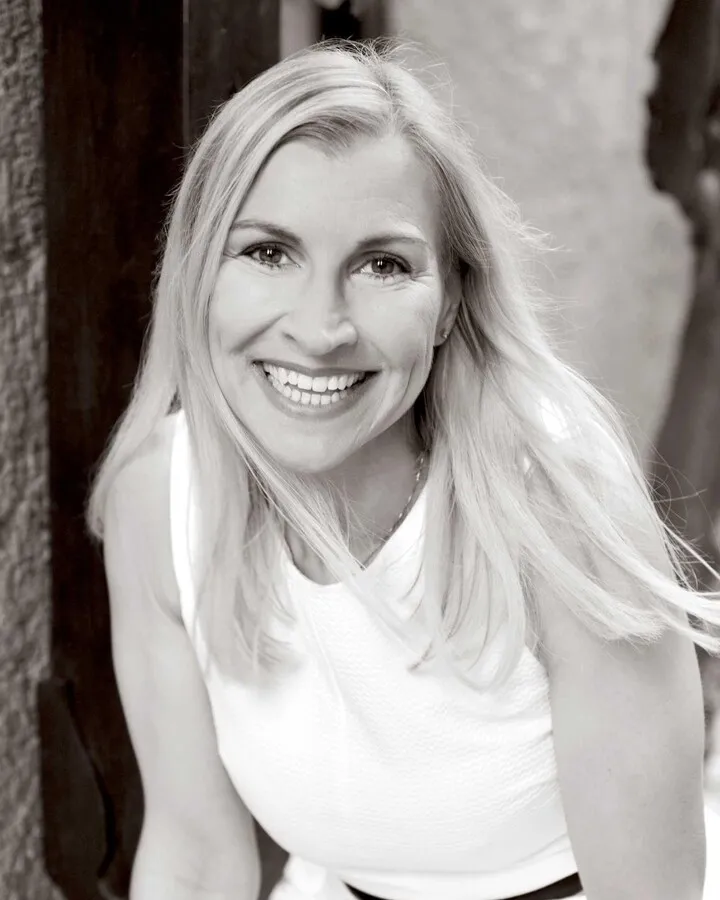
Alison founded Adia PR to help founders, disruptors and thought leaders be seen, heard and believed, now leading the agency's work on PR for the age of AI.
Read Alison's full story →